Running Google Ads remains one of the fastest ways to attract customers, generate leads, and scale revenue in 2026. Yet many business owners and beginners still waste money due to avoidable setup and optimization mistakes.
Understanding the most common Google Ads mistakes — and how to fix them correctly — is the difference between burning budget and achieving profitable ROAS.
Why Google Ads Still Matter in 2026
With more than 8.5 billion searches happening daily, Google remains the strongest intent-based advertising platform in the world. Unlike social media ads, Google Ads targets users actively searching for products or services.
Whether you run:
-
an e-commerce store
-
a local service business
-
or a B2B company
Google Ads places your offer in front of customers at the exact decision-making moment.
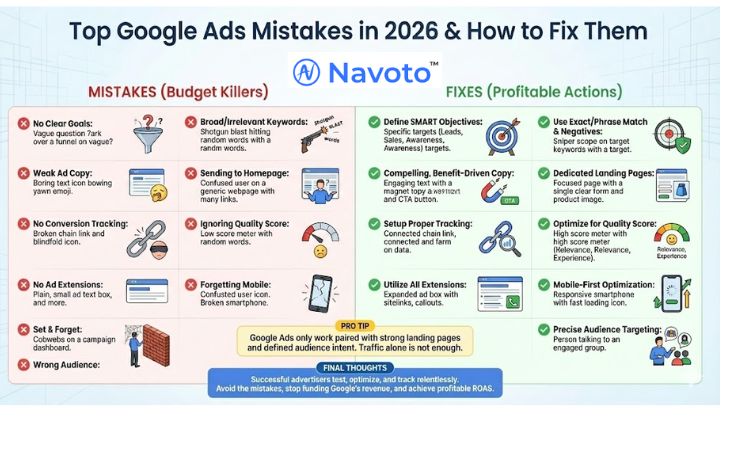
Pro Tip: Google Ads only work when paired with a strong landing page and clearly defined audience intent. Traffic alone means nothing.
Top Google Ads Mistakes in 2026 (and How to Fix Them)
1. Not Defining Clear Campaign Goals
Launching campaigns without clear objectives is one of the fastest ways to lose money.
If you don’t know whether your goal is:
-
lead generation
-
sales
-
phone calls
-
or website actions
then optimization becomes guesswork.
How to Fix It
-
Define specific, measurable goals (e.g., “50 qualified leads per month”)
-
Choose the right campaign type (Search, Performance Max, Display, YouTube)
-
Set up proper conversion tracking from day one
Example:
A real estate business in Mumbai increased conversions by 45% after switching from generic traffic goals to focused lead-generation tracking.
2. Using Broad or Irrelevant Keywords
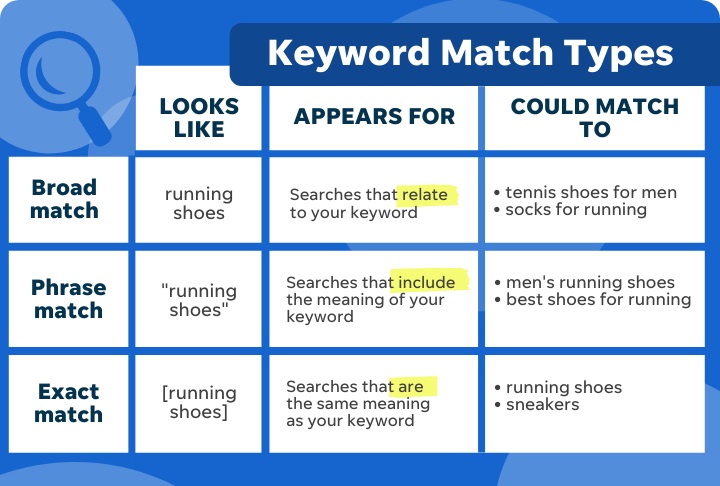
Poor keyword study is one of the most common mistakes people make in their Google Ads campaigns. If you skip this vital step, you’re basically trying to hit the target while shooting in the dark. To choose the right keywords, you need to understand your readers and the search terms they use. In this step, you need to find both popular search terms and bad keywords that could waste your money without yielding results. To get the best results, you might want to use tools like Google’s Keyword Planner to learn more and stay in line with user preferences.
Broad match keywords without control are budget killers.
They trigger ads for searches that:
-
have no buying intent
-
are unrelated to your offer
-
attract job seekers or researchers
How to Fix It
-
Prioritize Phrase Match and Exact Match
-
Research keywords using Google Keyword Planner or Uber suggest
-
Add negative keywords aggressively
Example:
If you sell digital marketing courses, your ads should not appear for digital marketing jobs. Negative keywords prevent this.
3. Ignoring Ad Copy Quality
It takes both art and science to write ads that get people to click. If your ads don’t connect with the people you want to reach, it’s probably because the words you use aren’t clear or exciting. To prevent this, write ads that focus on unique selling points (USPs) and include a clear call to action (CTA). Remember that the copy in your ad should not only get people to click, but also qualify leads to ensure they are really interested in what you have to offer. By A/B testing different forms of your ad copy, you can find out which one your audience responds to best.
Perfect targeting means nothing if your ad copy is weak.
Common ad copy failures include:
-
generic headlines
-
no differentiation
-
no clear CTA
Low CTR lowers Quality Score, which increases CPC. Google does not reward boring ads.
How to Fix It
-
Write benefit-focused headlines
-
Include your main keyword naturally
-
Use strong CTAs like “Get a Free Quote” or “Book a Demo Today”
-
A/B test multiple variations
| Weak Ad Copy | Optimized Ad Copy |
|---|---|
| Buy Shoes Online – Great Quality | Shop Running Shoes – Free Delivery & 50% Off Today |
4. Sending Traffic to the Homepage
Sending paid traffic to a homepage is not strategy — it’s laziness.
Homepages are designed for exploration, not conversion.
Poor landing page
Even if you have great keywords and engaging ad copy, a poorly made landing page can ruin your whole plan. A landing page should be a smooth transition from the ad, aligning with the user’s expectations and making it easy for them to convert. Slow loading times, cluttered layouts, and insufficient valuable content are mistakes people often make. Make sure your landing page works well on mobile devices, loads quickly, and provides helpful information that aligns with your ad’s purpose. You’ll improve the user experience and increase sales rates if you do this.
How to Fix It
-
Create dedicated landing pages per campaign
-
Match landing page messaging exactly with ad copy
-
Use tools like Unbounce or Elementor for conversion-focused layouts
Real Example:
A home décor brand in Delhi improved conversions by 60% after redirecting ads to a “Curtains Sale” landing page instead of their homepage.
5. Not Tracking Conversions Properly
If conversions aren’t tracked, optimization is impossible.
Clicks and impressions don’t pay bills — conversions do.
How to Fix It
-
Set up Google Ads conversion tracking or connect GA4
-
Track form submissions, calls, purchases, and key actions
-
Optimize bids based on real conversion data
6. Ignoring Quality Score
Quality Score directly impacts:
-
ad rank
-
cost per click
-
impression share
Ignoring it guarantees higher costs.
How to Fix It
-
Improve ad relevance to keywords
-
Align landing page content with ads
-
Optimize page speed and mobile experience
-
Monitor low-Quality-Score keywords and fix or pause them
7. Not Using Ad Extensions
Ad extensions increase visibility and CTR — yet many advertisers forget them.
How to Fix It
-
Add Call, Sitelink, Location, and Structured Snippet extensions
-
Use Promotion extensions during offers or sales
-
Review extension performance regularly
More space on the search page = more clicks.
8. Forgetting About Mobile Users
In 2025, over 65% of Google Ads clicks come from mobile devices.
If your ads or landing pages aren’t mobile-optimized, you are leaking leads.
How to Fix It
-
Preview ads on mobile
-
Ensure fast loading times
-
Use click-to-call buttons
-
Shorten mobile forms
9. Not Reviewing Campaign Data Regularly
Google Ads is not “set and forget.”
Campaigns decay without oversight.
How to Fix It
-
Review data weekly or bi-weekly
-
Pause underperforming keywords
-
Reallocate budget to high-ROI campaigns
Ask yourself: Do I actually know which keywords make money?
10. Target the Right Audience
It’s essential for the success of your ad efforts to know who you’re targeting and reach the right people. Ensure your ad copy reflects the demographics and psychographics of your target market. Think about what they like, what bothers them, and how they talk. Aligning your message with what your audience wants increases the likelihood that they will connect with it and buy. By using personalization properly, you can make your ad copy much more effective.
Quick Recap: Google Ads Mistakes vs Fixes
| Mistake | Solution |
|---|---|
| Broad Keywords | Use Phrase/Exact Match + Negatives |
| Weak Ad Copy | Focus on Benefits + Strong CTAs |
| Homepage Traffic | Use Dedicated Landing Pages |
| No Conversion Tracking | Set Up Google Ads & GA4 |
| Ignoring Quality Score | Improve Relevance & UX |
Using Reports for Google Ads
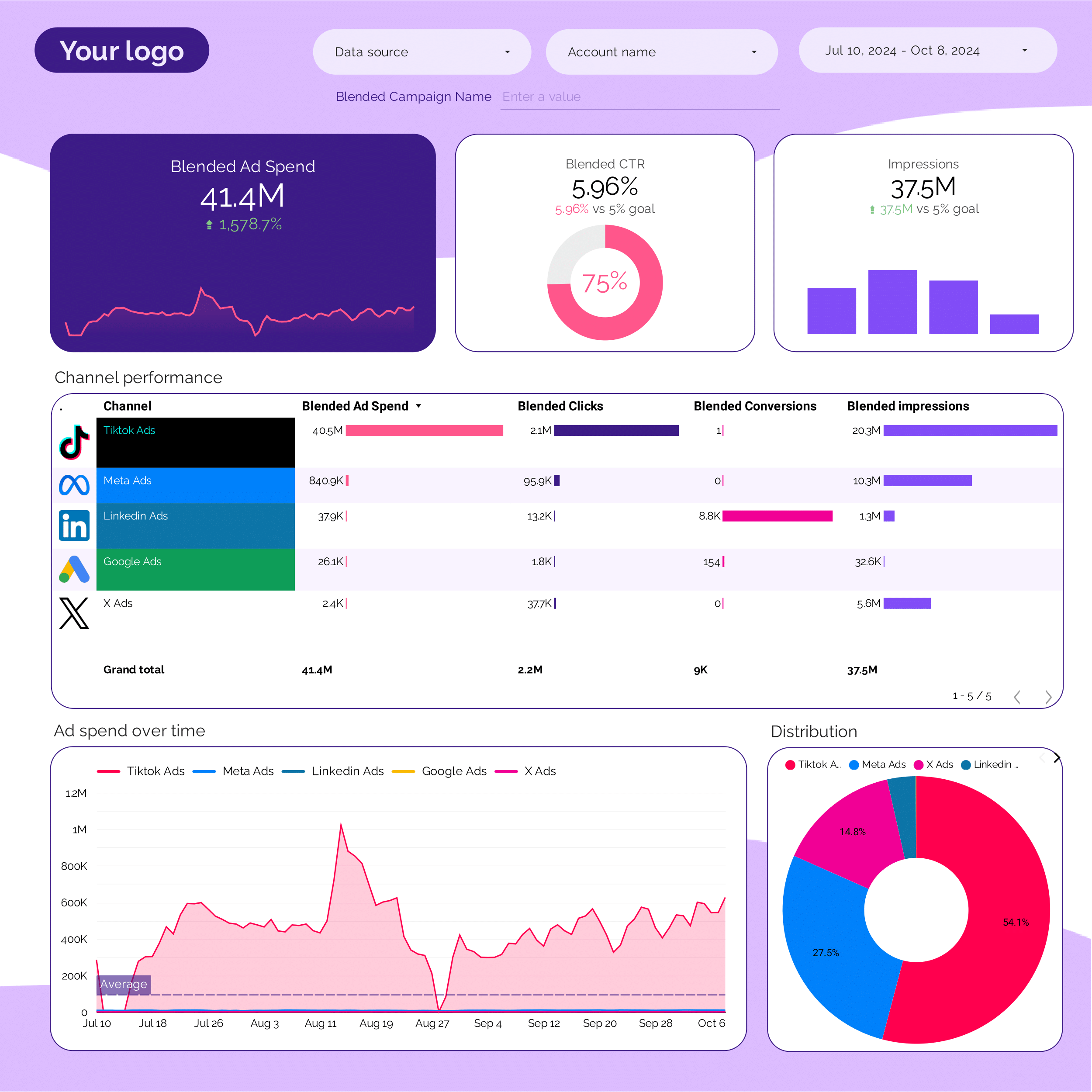
Using Reports for Google Ads Google Ads offers several tools to help you understand how well your campaigns are performing. Learn about reports such as Auction Insights and Search Terms. The Search Terms report shows the exact search queries that bring up your ads, and the Auction Insights report compares your performance to that of rivals. Using these reports helps you make informed decisions and stay ahead in a highly competitive digital advertising market.
Conclusion
Google Ads is still one of the most powerful growth tools in 2026 — but only for advertisers who treat it seriously.
Successful advertisers:
-
define goals clearly
-
control intent tightly
-
optimize based on data, not guesses
Everyone else just funds Google’s revenue.
You can improve your campaign’s performance and achieve your marketing goals by avoiding common mistakes such as skipping keyword research, ad extensions, or landing page optimization. As you improve your plans, keep in mind that the most important thing is to keep learning and changing. You can ensure your advertising reaches and connects with your target audience by staying informed and taking action.
FAQs
1. How can I improve Google Ads performance quickly?
Refine keywords, improve ad copy, and optimize landing pages first.
2. What is a good CTR for Google Ads?
Between 3%–6%, depending on industry and competition.
3. Should beginners use automated bidding?
Yes — strategies like Maximize Conversions work well early. Test manual bidding later.
4. How often should campaigns be optimized?
Review weekly and make adjustments at least every two weeks.
Also Read – How To Set Up Google Merchant Center